


Marquetry: The Art, History, and Modern Appeal of Decorative Wood Inlay
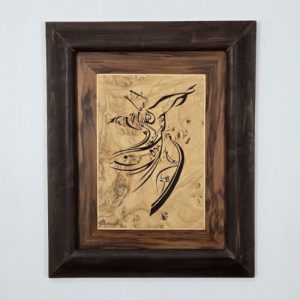
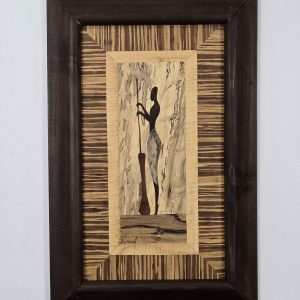
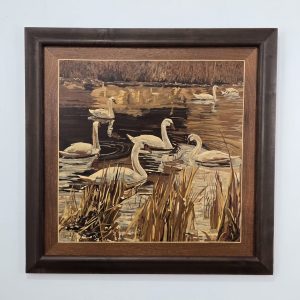
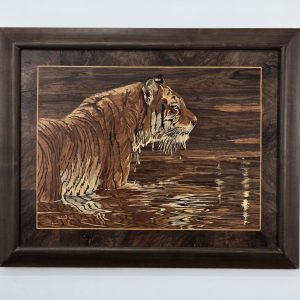
Marquetry is a centuries-old decorative art form that transforms wood into intricate images, patterns, and designs. By carefully cutting and assembling thin veneers of wood, artisans create detailed compositions that elevate furniture, musical instruments, and interior décor. Today, marquetry continues to blend tradition and innovation, appealing to collectors, designers, and craftspeople around the world.
What Is Marquetry?
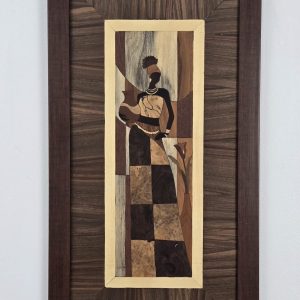
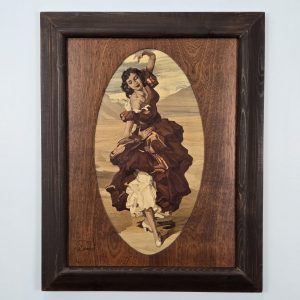
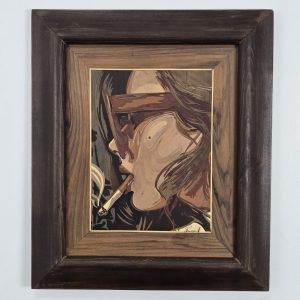
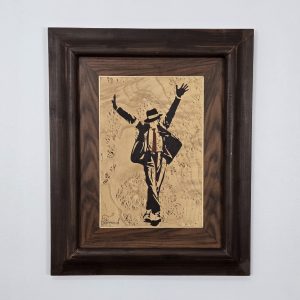
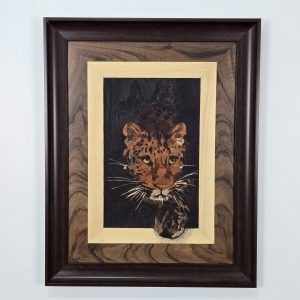
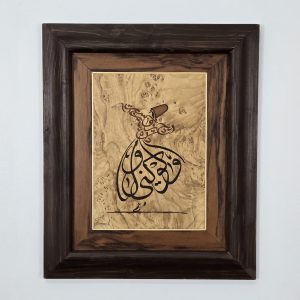
Marquetry is the art of decorating surfaces by applying pieces of veneer—thin slices of wood—to form pictures or geometric patterns. Unlike carving, marquetry works by adding material rather than removing it. The veneers are arranged like a mosaic and glued onto a base surface, usually wood.
The term “marquetry” comes from the French word marqueter, meaning “to inlay.” While wood is the most common material, traditional marquetry may also incorporate ivory, mother-of-pearl, brass, bone, or shell to enhance contrast and visual richness.
A Brief History of Marquetry
Marquetry has roots stretching back over 3,000 years. Early examples have been found in ancient Egypt, where artisans used wood veneers and ivory to decorate furniture and ceremonial objects.
Renaissance and Baroque Influence
Marquetry flourished in Europe during the Renaissance and Baroque periods. Italy and France became major centers of the craft, with royal workshops producing ornate cabinets, tables, and wall panels. French marquetry, especially under King Louis XIV, reached extraordinary levels of sophistication.
One of the most famous marquetry artisans was André-Charles Boulle, whose work combined wood, brass, and tortoiseshell in elaborate designs. “Boulle work” remains highly prized today.
Decline and Revival
The Industrial Revolution led to a decline in handcrafted marquetry as mass production took over. However, the 20th and 21st centuries have seen a revival, driven by interest in handmade craftsmanship, sustainable materials, and bespoke furniture.
Marquetry vs. Inlay: What’s the Difference?
Marquetry is often confused with wood inlay, but they are technically different techniques:
-
Marquetry: Veneers are assembled on top of a surface.
-
Inlay: Material is embedded into a carved recess in a solid surface.
Marquetry allows for larger, more pictorial designs, while inlay is often used for fine lines or accents.
Materials Used in Marquetry
Wood Veneers
The heart of marquetry lies in veneers. Different wood species are chosen for their color, grain, and texture. Common choices include:
-
Walnut
-
Maple
-
Ebony
-
Mahogany
-
Rosewood
-
Sycamore
Natural wood tones are often enhanced through techniques such as sand shading, where hot sand is used to darken veneer edges for depth and realism.
Traditional and Modern Marquetry Techniques
Packet Cutting
One of the most common marquetry techniques is packet cutting. Multiple veneer sheets are stacked together and cut simultaneously, ensuring precise fitting of each piece.
Marquetry in Furniture and Interior Design
Marquetry is most commonly associated with fine furniture, including:
-
Cabinets and armoires
-
Dining and coffee tables
-
Desks and writing bureaus
-
Headboards and wall panels
Why Marquetry Is Still Relevant Today
Sustainability and Craftsmanship
Marquetry aligns well with modern sustainability values. Veneers maximize the use of precious wood species, allowing artisans to create stunning effects with minimal material waste.
Customization and Artistry
In an age of mass production, marquetry offers something rare: uniqueness. Each piece is handcrafted, making every design one of a kind.
Investment and Collectibility
Antique and contemporary marquetry furniture is highly collectible. Well-preserved historical pieces can command significant prices, while modern works by skilled artisans are increasingly viewed as functional art.
Knife and Scroll Saw Methods
-
Marquetry knives are used for hand-cut designs requiring extreme precision.
-
Scroll saws allow for faster cutting of complex shapes, especially in contemporary workshops.
Assembly and Pressing
Once cut, the veneers are assembled face-down using tape or adhesive paper, then glued onto a substrate and pressed flat. After drying, the surface is sanded and finished to reveal the final design